

Creation vs Evolution: this ongoing debate, now spanning 3 centuries, is certainly a heavyweight contender for “Most Polarizing Topic”. Mark and Justin explore this topic of our origin, acknowledging even the polarized beliefs among those considering themselves “Creationists”, and discussing the immense possibilities for a God who can create a universe.
Show Notes:
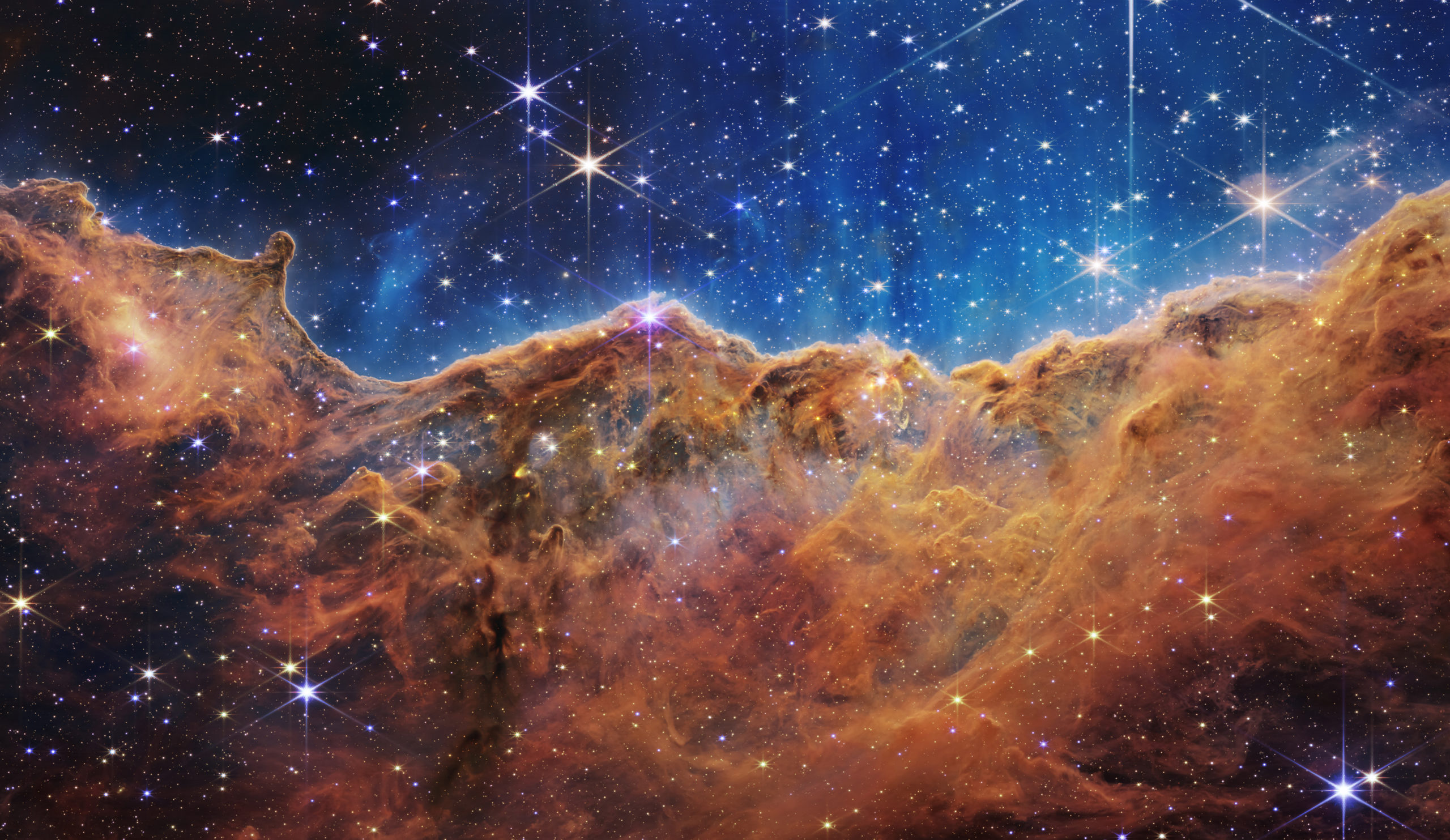
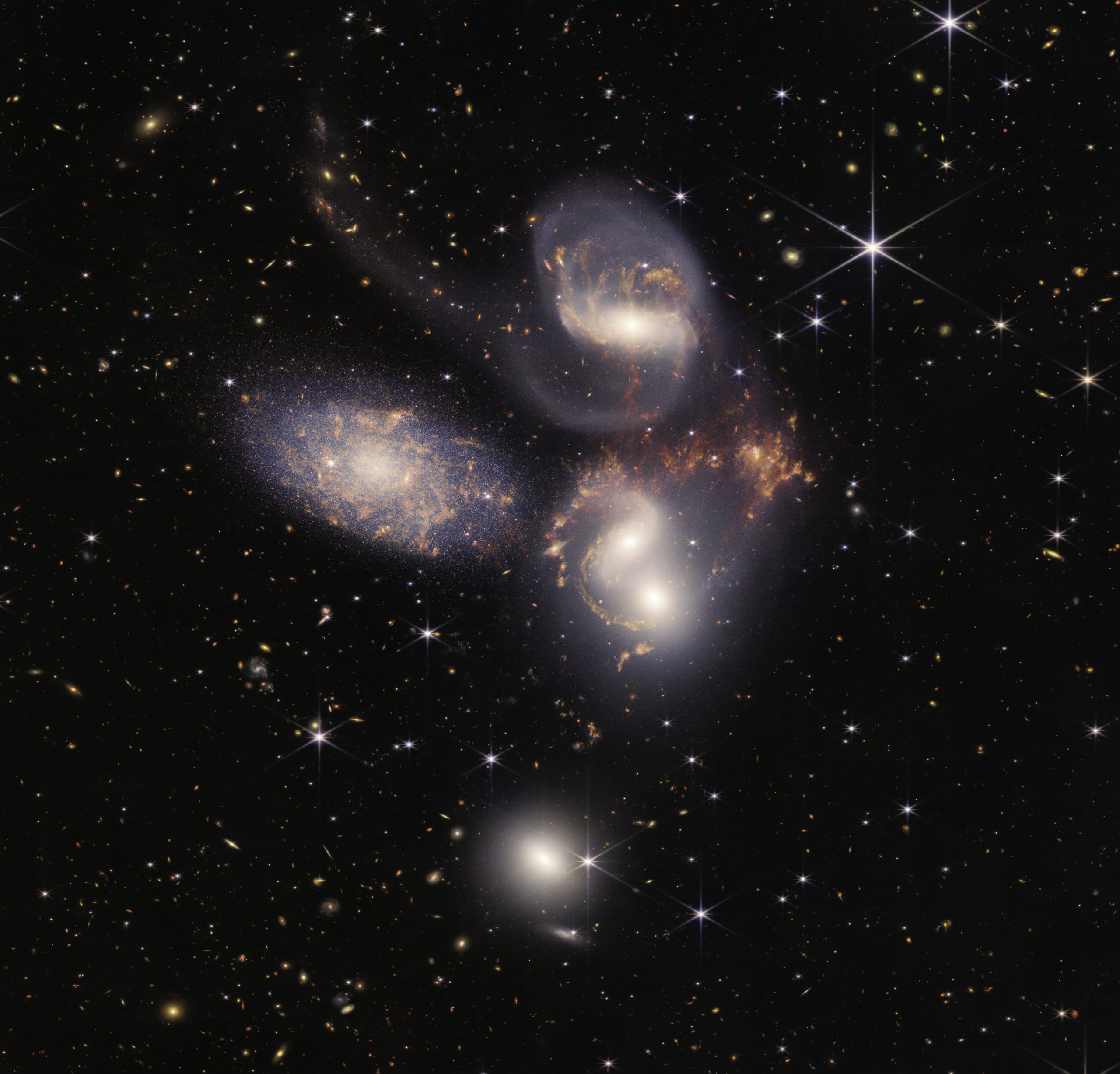
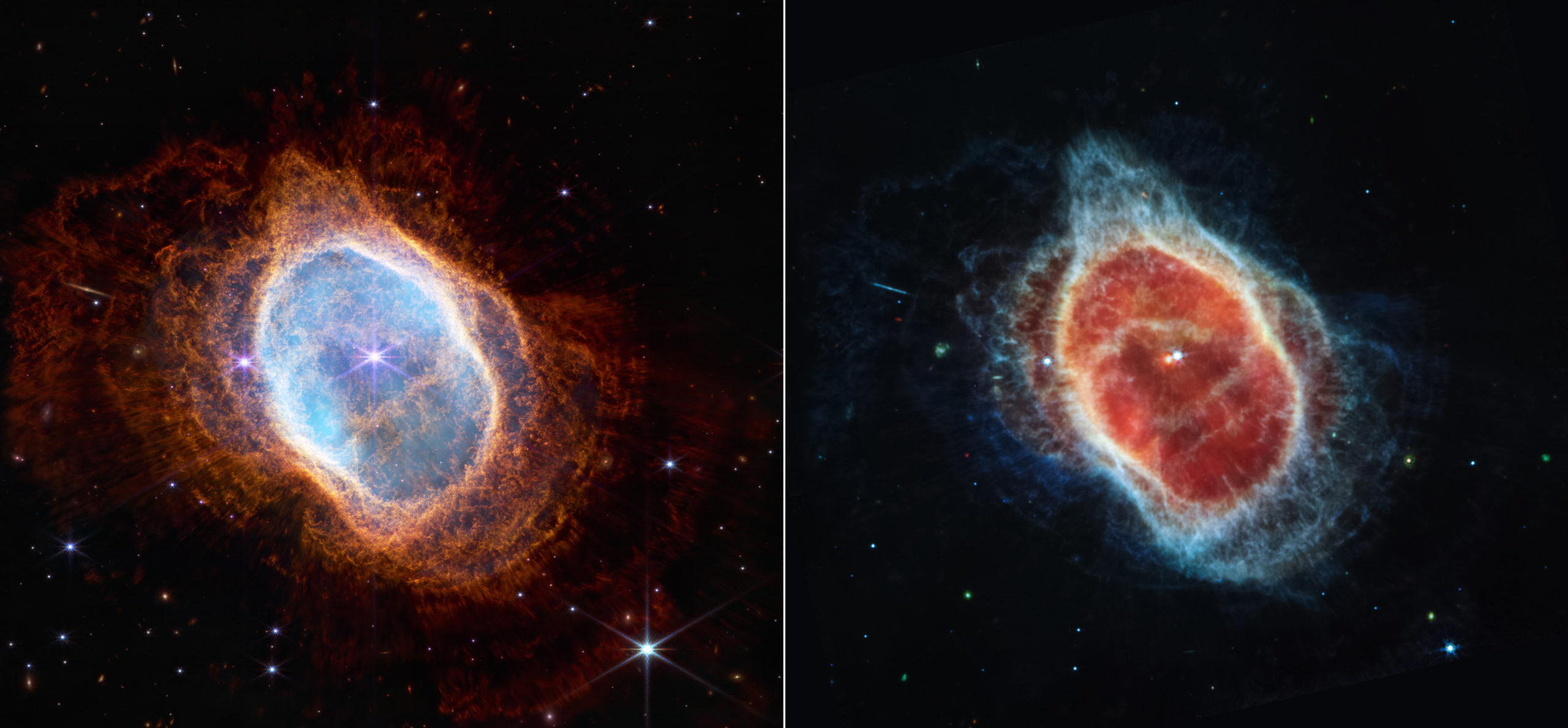
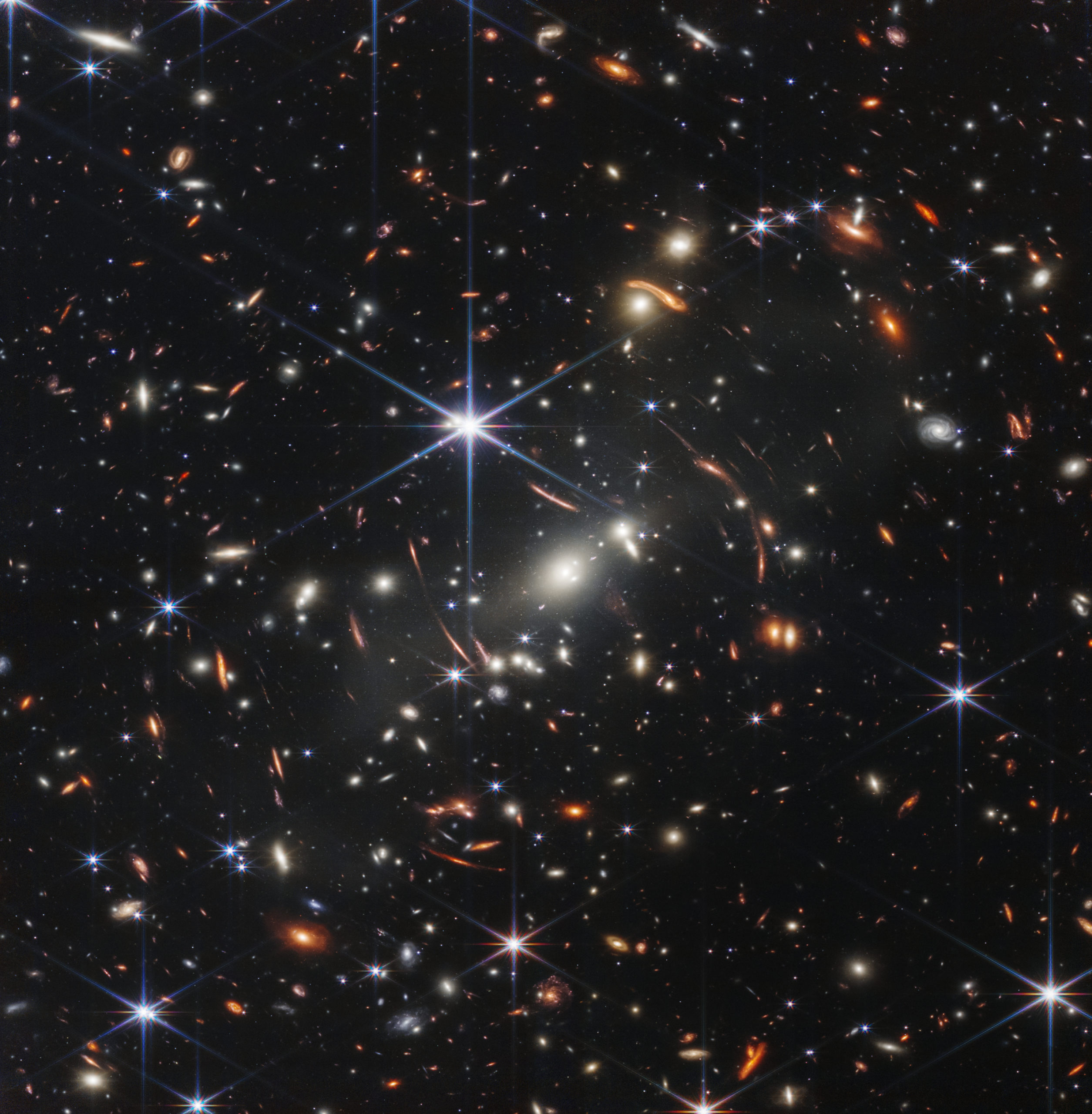
James Webb Telescope High-Res Images:
Show Transcript
Mark:
As I thought about the week. Do you believe in a in a in a ice age?
Justin:
Do you think I should turn the air conditioner on?
Mark:
Yeah, I probably should.
Justin:
Please hold. Beep. Shutting down. Well, I think it kept recording.
Mark:
That’s okay.
Justin:
You get to experience uh Some lack of preparation.
Mark:
The pre-session. Yeah.
Justin:
Uh you mentioned ice age and I thought, oh, I forgot to turn the air conditioner.
Mark:
Exactly, exactly.
Justin:
Do I believe there is an ice age?
Mark:
Yeah Welcome to How I See It With me, Mark Pratt and Justin Sternberg.
Justin:
This is a podcast that works to counter cultural polarization through thoughtful conversations. So I don’t know, I mean I don’t know if Okay, this gets to a bigger bigger thought slash question.
Mark:
Yeah.
Justin:
Which is can God create something to look like it was something?
Mark:
Sure.
Justin:
Like this is a discussion I had with a friend recently and you know talking about creationism and sorry, it’s Big Bang, evolution, etc. Right?
Mark:
Right.
Justin:
And so often we we get stuck in kind of the Christian world of saying the earth can only be ten thousand years old or whatever. Because the timelines have to fit what we our perception of what the Bible’s saying about creation. So my question has always been why can’t God create an eight million year old earth like that?
Mark:
Right.
Justin:
With an ice age in the history as well. Or whatever that pat all the dinosaurs, you know, all the stuff that we find. w you know.
Mark:
Yeah.
Justin:
When Adam was created was he, you know, a fetus?
Mark:
Mm.
Justin:
No, he’s a f God created an old man. You know, not old, you know, but you know what I’m saying
Mark:
A developed. He was an adult male.
Justin:
Yeah.
Mark:
He wasn’t, yeah. He wasn’t an infant. Wasn’t, yeah.
Justin:
Yeah.
Mark:
So that I guess that’s what I mean maybe in some ways I think it it probably does come back to we can probably even simplify that topic of creationism versus you know, evolution in the in a way of almost maybe young earth, old earth viewpoint, you know. Yeah. Does the earth have to be billions and, you know, well, in some ways if I’m being honest, you know years ago, millions, now it’s billions, you know, it just there is that process of evolution in itself. that just needs more time as as technology as we understand the complexities of our lives, you know, and I and I was I was thinking about it, you know, it was uh well I told you we had a fox attack. Yeah last week, you know, and I was
Justin:
on the chicken coop
Mark:
it hit the chicken coop, yeah.
Justin:
And they got three of ’em?
Mark:
No, it lost two. Uh but the other one, the th it reminded me of Mary Beth. Because the other one um got a chunk of its neck, you know. But it was interesting because I I looked at it and it’s like, man, what do I do? And you know and and Mary Beth’s podcast, you know, our body has a way of, you know, if you give it what it needs, it heals itself. And, you know, and that night Lizzie and I got together and, you know We stitch that chicken’s neck up, you know, with some dental floss and you know, a needle. And it’s like, I’ve been watching this process of that chicken recover.
Justin:
Wow.
Mark:
You know, and it’s like, yeah, okay, you know, from my perspective, that’s a, you know, that God-given healing. And yet I would recognize, you know, uh there’s there’s this and I it’s it’s neat for me because I can understand from the chickens, as I look at the chickens, I can understand how evolutionists would put you know, uh birds and and reptiles together because when I look at that chicken, I it’s like their feet are almost like scales you know, like a reptile.
Justin:
Yeah.
Mark:
You know, but they’re they have feathers like a bird, you know, and I can understand how, you know, to make sense of that evolutionary dynamic You know, well these two things happened at the same time. And yet I still see it personally as an aspect of all of the creativity, you know, can go into, you know, the creation. And so therefore, you know, this animal has characteristics of this animal and you know, and we have characteristics of some animals even, you know, just because of that, what I would call the creation process. And you know, for me personally, I just struggle with the complexity that we have as male-female to be an evolutionary process. As far as, you know, it for me, the aspect of creation makes more sense from a male-female dynamic that God created them in the beginning, you know, male and female. So therefore, you know, we have this, you know, wonderful way to be able to relate to one another, you know, physically, emotionally, you know, spiritually, sexually, all of that Because it was all part of a design and it wasn’t just something
Justin:
that, you know, worked itself out.
Mark:
Worked itself out. Or, you know, it’s like from my perspective how many how many m quote unquote males and females had to die off before there was a this combination that came together that actually worked. you know, in such a way that said, okay, yeah, this is this is male and this is female from uh you know from all aspects of our human bodies that kind of thing but yeah that I guess that’s why I was because I just I wrestle with that because I’ve honestly talked with you know I remember a lot of discussions with, you know, and people far more intelligent than I by far, you know, who would say, you know, yeah, I believe there’s I bel I believe in some ways there can be old earth characteristics. And you know, and I and I still I valued those opinions, but I’m kind of more like you, you know, the fact that um you know, fossil fuels and diamonds and so forth that can be created in part of the creation as is.
Justin:
Yeah.
Mark:
And I think that’s what you were referring to, the uh eight million year old ear Earth at the snap of a finger type thing.
Justin:
And to me that like if if if if you’re gonna choose to believe in creationism creationism You have to believe in a being so powerful, so ginormous, no matter what level of creation you you believe. if if you believe it was designed and created by a creator. Whether he created it one cajillion years ago and set it in motion and, you know, it was like the watch pieces in a box that you shook around for eight cajillion years and eventually it formed into a watch. or you believe that, you know, he created it all just like that. The ginormity of this being that you believe in is capable of anything, right? Like especially from our feeble brains.
Mark:
I hear you.
Justin:
Depending on what again, what you believe about this particular deity. Of course I believe in a personal personally in God and like that he is all powerful like we talked about in um recently but um So so then nothing is n uh inexplainable. Where I think sometimes we get in locked down to well, it has to be this way because the Bible said seven days or it has to be this way. Um, be because I have to be able to explain it, you know.
Mark:
Hm. I have to be able to understand it.
Justin:
Yeah, or I have to be able to fit it fit it. Right somehow.
Mark:
Yeah.
Justin:
And again, I just think Why why couldn’t he why couldn’t why didn’t I say why didn’t? Cause I think he did. Why didn’t he create this? you know, world that is eight million years old with all the patterns and all and so and the part of the reason I say this is because there’s a lot of things we pin to the flood We say, Oh, that was because of the flood. Um, that’s why this is this way and this and well. I feel like a lot of that stuff makes so much sense and you’re like, Oh yeah, that the earth was covered and whatever and you know, there’s a lot of scientific explanation that believe you know scientists who are believers will do based on the worldwide flood of Noah’s Day. And I think it’s fascinating. I love it. But then there are some things they say that’s like That feels like a stretch. That feels more like just part of his creation that creating an old earth or whatever. Um
Mark:
Can you give me an example? Just out of curiosity.
Justin:
Not off hand. That’s okay. It’s been a while since And ultimately, I’m not claiming to be a scientist who knows better than whatever. I’m just saying the answers are not that uh out of reach for me because I believe in such a big God that he can create exactly what you’re seeing. You’re you’re seeing. you know, like I said, a cajillion year old universe, you’re seeing there’s a ha there’s a the Webb telescope, did you hear about that?
Mark:
No. But before
Justin:
the new uh repl like a Hubble telescope but uh brand fan brand new fancy pants one they sent up and it’s going out much further than Hubble and we just got back the first picture from it yesterday and they released the first picture and it was It’s really really cool. Um I’m gonna keep talking and try and look it up so I can show you in the and we’ll have to put it in the show notes.
Mark:
Yeah.
Justin:
Um I can’t tell the tape at this point.
Mark:
Well I’m I’m I’m thinking about it from a from a space technology type thing, because I think there are there are interesting things when we think about you know, an in a old world versus new world because I think it comes together at times when we factor science into it, when we go to outer space. It’s like uh I think of the um was it the not the rover but uh the lunar lander that they you know ear early on in the space era you know they had the they put those big huge pods on the bottom of it so when it landed it wouldn’t just fall into this millions of years of dust particles that are on the moon and then they realized Oh, you know, the dust wasn’t nearly as thick as we figured for based on a million-year-old Earth. you know, because they had such big pods on that on the feet because they expected when it landed there should be, they had calculated for how much dust should be on the moon. Because when we think about it, you know, and so that’s kind of where I come from at times is how. that that conflict of what I think should be sometimes proves itself not to be.
Justin:
Right.
Mark:
You know, and I and I and I I’m always interested. So when you when you were talking about space, that’s automatically what came to mind for me is it’s like this process of okay which which which direction does it go? How does it lean? Yeah. You know? And I and and granted we all pick up those those tidbits, if you will, that are part of our confirmation bias. you will, that says, oh yeah, that explains, that justifies what I believe. And yet I’m not it’s not my desire to do that, but I just whenever I hear, you know, little tidbits like that, it’s fascinating to me. how sometimes you know my my view can get so stuck in what something is that it’s only until I come up against something that my view can explain. that I really have to say, hmm, okay, what do I think about this? And that’s why I was asking you, you know, about that. But back to the uh back to the uh
Justin:
Yeah the telescope the telescope picture you have to check it out is really cool. It is cool. So this picture
Mark:
which we will post
Justin:
Which we will post is, you know, just a grid, a square basically, but it’s just filled with stars and if you look closer there’s l tons of galaxies in there and they’re saying this picture represents like a grain of sand size. Like if you hold a grain of sand in your hand out in front of you, get your arm stretched out and you’re holding a grain of sand, you look at that grain of sand. That’s how much of the sky that’s picking
Mark:
Sure, it’s kind of like a pixel, if you will. Yeah. In a picture. It’s just a very small square. Right. And yeah.
Justin:
And yet you can’t count the number of galaxies and stars you see in it. It’s just so cool.
Mark:
Wow.
Justin:
And you know, the farther we
Mark:
It reminds me of those iSpy books that you look at. It’s the page is so full. That’s true. You know, it’s like, oh there’s a there’s a gold one, there’s a blue one, there’s a orange one, there you know. Or
Justin:
you ever play those magic do those magic eye?
Mark:
Where you have to stare at ’em to develop the
Justin:
Cross your eyes Yeah, yeah, yeah.
Mark:
Yeah. Yeah.
Justin:
It’s kinda like that.
Mark:
This is more developed than that, but yeah, I hear what you
Justin:
cross your eyes and pull back. I wonder if we’ll see aliens. That’s right.
Mark:
No. Um
Justin:
no what was so cool about this is essentially the farther you see, which is represents far, right? Because it’s it’s light I don’t know. It’s hard to explain.
Mark:
It’s okay.
Justin:
But basically what they’re saying is these are pictures of the the oldest pictures of the universe that we have and you think oldest that doesn’t make sense when you look at a picture. But it’s because the father, you know of source of light is from you when you see it.
Mark:
Sure.
Justin:
The ol you know, that’s how that’s how time is measured. Yeah, exactly.
Mark:
In the in the ability that light has to be
Justin:
so the amount of time it took for these this pieces these pieces of light to get to that telescope me. They’re saying this is as close to the beginning of the Big Bang as we’ve ever seen, right? Does that make sense? When you think about it, but that’s the
Mark:
When you think about how far these things are away.
Justin:
Yeah.
Mark:
And considering we’re we’ve gone further, this telescope has gone further than we’ve ever gone before and yet that light is still reached that area that’s further back into our history of w the history of the earth if you will or the galaxy, the universe, excuse me, yes. than we’ve ever been before. Yeah.
Justin:
Yeah, and it’s it’s it’s counterintuitive if you don’t think about this stuff much because you think you turn you flip the light switch on, it’s instantly light. So you think, oh stars, that’s what they look like right now. Right. But they’re so far away that it’s not. It’s what they look like eight bajillion years ago or whatever their number they They they make up, right?
Mark:
Yeah, and when you factor in that speed of light, yeah, hundred and eighty-six thousand miles per second, you know, roughly roughly that’s a light year, yeah. It’s like that’s how far. It’s not it’s not six feet across the room that that light has traveled. So even to think about it that far in a second
Justin:
Yeah.
Mark:
And realize this is, yeah, a lot further than that. So yeah, you factor that light years of time in there. That is a fascinating
Justin:
It is. So like looking at this some of these orbs, it’s like that’s not what this one looks like right now. That’s what that one looks like.
Mark:
Yeah.
Justin:
You know, I don’t know, whatever number. A long time ago.
Mark:
In reality, some of these might not even be
Justin:
Right. Exactly.
Mark:
Is the reality of it. By the time the light travelled that far.
Justin:
Yep.
Mark:
But that’s how it was. at that point when the light was emitted.
Justin:
Yeah.
Mark:
Yes.
Justin:
Here’s here’s one of the it says this image shows the galaxy cluster SMACs 0723 as it appeared 4. 6 billion years ago with many more galaxies in front of and behind the cluster. Uh yeah, and they this this is like I said, this is the first picture they’ve released, but yeah, they’re saying 4. 6 billion years ago. Yeah. Right? The that’s what the Yeah, the these are old pictures, you know.
Mark:
Yeah. Or or so it was a say.
Justin:
Yeah, yeah. Yes, exactly.
Mark:
And and and and and I think that’s where we run into I I think that becomes the frustration on both sides at times, is that is purported as fact.
Justin:
Right.
Mark:
You follow me? And it’s like, well, is there a possibility? And I and I I don’t want to minimize personal relationships. But I think from a theoretical standpoint, I do like what you know other people have done with intelligent design. You follow me? I I’m not saying That God isn’t personal and desiring, but I think as a theory for educational purposes. You know, intelligent design needs to be a part of that discussion. Right. Versus just saying, no It’s this way.
Justin:
It’s an equal equally viable faith as what’s being taught.
Mark:
Sure.
Justin:
Right. We cannot prove so much of what is taught as fact.
Mark:
Yes. Right?
Justin:
It’s all theoretical. It’s science, which is great.
Mark:
Right.
Justin:
But like you said, the um intelligent design is equally viable. Yes. It explains things. And you know, we would argue M way better. Right? Explains things much eas more easily when you go, how can this be? Well it was created by a being beyond your imagination who is intelligent and designed it to be exactly like this.
Mark:
Exactly.
Justin:
To the minute detail, you know, to the cork detail and beyond.
Mark:
Right.
Justin:
That’s how.
Mark:
Yeah.
Justin:
And it’s it’s much simpler when you when when you can go, oh yeah, okay, so it’s just designed that way. That actually explains so much.
Mark:
Right.
Justin:
That it was designed that way you know, uh as opposed to, well, somehow it just y you stuck all the parts of a watch in a box.
Mark:
Yeah.
Justin:
And you started shaking it for four point six billion years plus And you open the box and look at that. There’s a there’s a watch. It’s it’s created, you know. And not only is there a watch But it’s talking, it’s a talking watch. With a soul and a heart.
Mark:
It’s a smart watch. It’s a smart watch.
Justin:
Yeah And so uh if you refuse to believe in in intelligent design, which is not even um You don’t have to believe in deity to believe in intelligent design.
Mark:
Correct.
Justin:
You know, you don’t have to believe in Yeah
Mark:
I think, I think, you know, once you get to a point of, from my perspective, understanding intelligent design, I think you have to ask that question, you know, what is the purpose?
Justin:
Yeah.
Mark:
Of this creation.
Justin:
You don’t have to. As a scientist, you don’t have to. That’s correct. Or I guess really as anybody. But yeah, you’re right. That’s the natural next step.
Mark:
Yes. It’s like when I see these stars out there What is the purpose? And I think that adds to the gynormity as you , you know, and yet still the relationship that this has created for us to be able to see in such a way that demonstrates re a desire for relationship.
Justin:
Yeah. Yeah.
Mark:
And I and I, you know, and unfortunately I think there is a there is a connector to where as we you know, I’ll say devalue relationship, you know, with technology and that kind of thing. And I I you know, it’s like if this is Was it four billion? Four billion?
Justin:
Four point six billion.
Mark:
You know, then it it I I have to call I think there’s the other end of the spectrum. I have to call a bunch of things into question as far as what is my purpose? What is my value if I’m just on a just in a box that got shipped together? Do I have a purpose in that? Is there, you know, and I think that leads to other questions as far as, you know, you know, just the the value of l our lives. In that am I is am I here for a reason or am I just here as part of a biological process of the creation. I mean, excuse me, of the of evolution. You know, um I’m just part of the steps to get to the next step, the next evolution, the next phase, you know, that kind of thing. Because I think if that’s I can understand a certain hopelessness that would go along with that. And I think that’s where Uh that’s sad for me sometimes when I think about that and yeah.
Justin:
Yeah. Yeah. And you know s scientists don’t necessarily have the time to ask all those questions or answer them for you, so you’re left grappling with, you know, this four point six billion light years wide universe that we are able to observe and we’re alone and this all happened by chance and yeah it’s like yeah those existential struggles are left to everyone else which you know well it Yeah. I think you can struggle with some existential stuff with whether you believe in you know
Mark:
sure
Justin:
an intelligent design or not. but
Mark:
no doubt.
Justin:
Yeah.
Mark:
Yeah. I I agree that we can struggle with purpose, you know. I think for me, you know, I think Four fundamentals are those aspects of acceptance, identity, security, and purpose. You know, I think everybody, you know, has has those four struggles. To a certain degree. Where do I go for acceptance? Where do I go? You know, what who am I? What is my identity? You know, where does security come from? What is the purpose of my life here? You know, what am I to do? That kind of thing. And I think everybody has that struggle.
Justin:
Yeah.
Mark:
But I think, you know, where you looked where where you look or look have looked, you know, to find those things kind of helps develop who we are.
Justin:
Mm-hmm. Yeah, absolutely.
Mark:
And I think, you know, that factors into this, you know, the discussion and maybe even moving back to the discussion a little more as far as, you know, creation versus the evolution or the young Earth versus the old earth because I think you know even in creation dynamics you can have a young earth view or an old earth view and that’s that’s where the questions come from.
Justin:
Yeah. Yeah, and yeah, we we get very tied to the creation narrative in Genesis.
Mark:
Hmm.
Justin:
And I ‘ve I’ve heard some very compelling talks about how that’s a poem written by Yeah, and so it’s it’s meant to evoke certain poetic uh understanding versus like a literal thing.
Mark:
Sure.
Justin:
But you know, the person doing the talk on this and explaining this, that’s their theory as much as it, you know And I think what I love about the idea that God is big enough is that it doesn’t really matter. Right? Um If if Genesis is literal, I believe it’s possible. If it’s just a poem that kind of figuratively explains how an artist per perceived it happening, that doesn’t hurt me my feelings either, you know, because I I believe that he did create us and That’s throughout the whole Bible, that is truth that we can easily hold to. You know, depend it doesn’t matter the origins. And yet I definitely know a lot of people who struggle with if that’s not true, what is, you know what I mean? And which I understand that perspective too.
Mark:
If you make it a poem, then what else is Figurative or whatever else is a poem. I understand where you’re coming from with that.
Justin:
I’m not afraid of, I guess.
Mark:
Yeah, but it doesn’t create a knee-jerk reaction within you if someone Yeah, now that’s a good point too.
Justin:
Yeah.
Mark:
Yeah. To be able to say, oh, yeah. you’re you’re attacking my view of what you know Genesis is. And you know, and that’s yeah, another fascinating part.
Justin:
It’s a well you know Speaking of polarization, I mean it’s a very polarized thing. Both, I mean, obviously two polars being intelligent design and you know, just natural selection evolution. That whole you know, kind of those are two polar ends, right?
Mark:
Yeah.
Justin:
One or the other. Um but then with even within Christian circles, like younger , older, you know, all of these things. There’s so many polars and so many like areas to feel attacked in. Yeah. Really.
Mark:
And I think it’s interesting too. I mean I Well we had our uh our free will you know podcast release and it and it’s interesting too, even when I think about you know how God initially created the earth and from my perspective, the intelligent design, it’s like I do believe, you know, that based on what we have, you know, there was the I I am a uh a proponent of the canopy theory. You know, that the earth was created with a water canopy around it that made it very much like a you know a greenhouse and you know and you know in Genesis it talks about how springs came up from the ground to water the earth and that’s what made it faith for Noah you know because he had never seen it rain before So to have to build this arc, you know, and it’s like I go ahead.
Justin:
Yeah, and that, you know, that I also I think that’s a great theory and I like it. I I don’t you know.
Mark:
Yeah.
Justin:
But yeah in the a lot they talk a lot about that’s how people live to be thousands of years old, that’s how dinosaurs existed, that’s how so many things were possible was a result of this thick water vapor canopy over yeah.
Mark:
Yeah.
Justin:
Which I think is really fascinating. And it was the source of the water from the flood, right? Like that.
Mark:
Yes, it provided the source. And when when scripture refers to the the windows of heaven opened up, you know, that that you know explains this canopy theory and you know and that’s why we have, you know, woolly mamble. at the North Pole with you know fruit leaves in their mouths and so forth because of this whole you know greenhouse type dynamic. Now do I Do I hitch all my horses to that wagon? You know, no. And this, you know, but exactly. But at the same time, you know It does when I think about how, okay, we still have these aquifers today, you know, in and around, you know, that are underneath you know, the you know, uh throughout the United States that you know that’s where our source of water comes from still.
Justin:
Yeah.
Mark:
You know, so it’s not a it’s not a stretch for me to think, you know, that was a and the fact that Yeah, but I think about it from the aspect of even that was still part of the design. Whether it was or whether it wasn’t, you know, God had a plan Whether that’s how we did it, whether that’s not how we did it, you know, it’s like it’s still kind of fascinating to think about that, yeah, it could be all of that And still even more. And yes, you know, there is the reality that, you know, in that whole timeline, men and dinosaurs existed at the same time. You know, and we don’t have to have this, you know, well one came for the other, you know, with the intelligent design dynamic. And, you know, I I don’t I don’t want to come across that I’m bashing one or the other, but I think you know if if we want I believe I have to be able to look at science in such a way that says, okay, this picture’s four billion years old And yeah, if I’m gonna do that, I want somebody else to be able to say, yeah, but what about what do we do with this when we go back and we see, you know, human footprints next to dinosaur footprints at the same time. You know, what what do what does science say about that? You know, because then that messes with our evolutionary our big bang or how do we you know how do we have a orbit in the process of a big bang You know, when when you blow stuff up, it’s pretty linear, you know, from that epicenter of the explosion. And granted, that’s a limited mindset on my part, I admit that, but yet I see this you know, this what the what’s the process when something um has a tremendous order and it becomes more
Justin:
chaotic
Mark:
chaotic
Justin:
entropy, I think. Yes. Yes.
Mark:
It’s somet something to that. There’s laws that go with that process. Nothing gets more design. Yeah. Yeah. It’s
Justin:
clean, yes, etc.
Mark:
It’s a it’s a process of the chaos over time the and there’s there’s a dynamic name I think. Associated with that, but I’m not able to bring it up right at the moment. It could very well be. It sounds right.
Justin:
It sounds
Mark:
close.
Justin:
Intel intelligent Which is close enough. Nope, I’m Googling it. We’re gonna find out, right?
Mark:
I leave the intelligent stuff to you.
Justin:
Second law of thermodynam dynamics entropy is central. The second law Which states that the energy of isolated sa systems left to spontaneous
Mark:
pause, pause. Spontaneous.
Justin:
Where’d it go?
Mark:
You’re in charge of technology, my friend.
Justin:
We were reading the Google snippet, but it didn’t have all of it.
Mark:
We got the ellipse and we lost it.
Justin:
This is it, though.
Mark:
But yes, being able to recognize that, yeah, in the process of life, we don’t see things getting more organized. And you know, I think that that from that perspective becomes a difficult part for me to say, okay, time doesn’t just make it all go away.
Justin:
Right.
Mark:
And the fact that we have to have more time and more time to explain some of these things just makes it less credible for me over time.
Justin:
Yeah. Even time is not it when If if we’re gonna believe in a being who can have created this universe, then we also have to understand that time was a construct design by him completely malleable in his hands.
Mark:
Mm.
Justin:
Right? And again, you going back to the Genesis thing where it says a day well I mean there’s lots of places in the Bible where it talks about d a day being a thousand years and so you know that’s right, so that then you can go, oh well if that’s the case then maybe this did happen millions of years before this, even in the Genesis account it’s ’cause I’ve heard this theory a lot too. Uh where I’m gonna do it. like no actually it does represent that timeline you’re talking about even in the creation process. Um But but e whatever thing is true there, time is not uh a static thing that cannot be bent. We’ve even proven that. Right? The theory of relative by we. I mean I saw I didn’t I didn’t come up with this.
Mark:
We have not done that on this podcast. No. You don’t go back. Don’t search for the previous podcast were we but as humans yes yes
Justin:
maybe one day but not yet yeah as humans we have proven that uh time is relative and Which is basically saying that it’s malleable. Malleable or whatever. So in the hands of a creator who can create something as vast as the universe, then m making time fast you you think about like uh um uh I think about like a DJ with his uh oh yeah right
Mark:
the record.
Justin:
Right. And it’s like they take a normal song, they speed it up from it and then they slow it down, right? And it’s this whole idea of manipulating time for the sake of creativity.
Mark:
Hmm.
Justin:
Right?
Mark:
Yeah.
Justin:
Why can’t that be part of this story where yeah we have some sometime that looks like billions of years and we have some time that looks like the dinosaur and human footprints are on the same, you know, plane or whatever. And Time does answer it because time wasn’t this static constant thing that we associate it with based on The small amount of time that we’ve experienced as uh you know, a human race, right? Where we understand it to have laws and certain uh distinctions, but even that again has been stretched and bent and as relativity and these things have come up and we go away, it’s like I don’t I don’t I don’t think time is what we think it is. You know? I think it means it’s it’s a little more like this. There’s a little more like that. It’s like I think, you know.
Mark:
Yeah.
Justin:
And again, that for me, from a faith perspective grant so much liberty to understanding a lot of the time-based you know conversations in the Bible or Or you know.
Mark:
Okay.
Justin:
And um from Genesis and kind of the timetables there all the way to Revelations and the time timetables there. Uh and and you know even the um theological discussion of where do you go when you die? Do you go to a holding place called Paradise? Or do you go directly to go heav heaven? Or do you go directly you know, to the judgment seat of Christ and just wait around for a couple thousand years till everyone shows up who’s late, you know, whatever. Right. Or is there again something time is a construct that that he created for our particular universe and when we pass on we’re no longer bound by that construct. And therefore we are in the same place as everyone else at the judgment seat of Christ. And that’s happening when you die or like you know what I’m saying? All of these things are completely viable when it comes to a God who doesn’t care about what you think about time.
Mark:
bellot point. And I and I and I think that when we take on my view is right then that becomes a difficult thing to hear. And I and it because I mean I’ll be honest, you know, part of me recognizes that, you know I don’t think there’s anything that science has discovered that we can’t necessarily find in other words that uh where s when Solomon talks about nothing new under the sun you know I think I think at times we have this part I would dare say you know Thinking about it, when you part of your education, how many of us have seen that evolution of man? You know, sketch where you start off with a small monkey and you kind of need Anderthal man and you kind of grow up and you know, and it’s like, you know, we’ve all been, I shouldn’t say all, many of us. have been exposed to that. And I think we bring that concept with us to a point of saying, okay, everybody that was before me. was just dumb. You follow me? They’re they were the cave that’s a caveman way of thinking and I think we still do that some you know you know anybody that’s different from me thinks like the what remember the Geico was it the Geico commercial that had the caveman?
Justin:
Yeah.
Mark:
Yeah, yeah.
Justin:
So easy a caveman can do it.
Mark:
Exactly. Yeah, I think there’s that process you know that we take
Justin:
we’re not sponsored by GyCode yet.
Mark:
We’re open to sponsorship, but you know, not yet. But at that point, yeah, I think we can take on that perspective That says, well, if you just think differently than me, you haven’t gotten to the point that I have yet. And I and I think of when I think of Solomon, I think of Solomon being every bit as educated, as intelligent as we are today. And I from my perspective, I think in some cases we’ve lost intelligence, you know, from a practical, you know, even even when I think of, you know, someone like Jefferson who, you know, kept all of his documentation, you know, for seasons and weather and you know and patterns that were able to be discovered to where, you know, I I just I just think sometimes we think too highly of ourselves. compared to our forefathers in having stuff figured out. And I think the same can be true of the Bible, you know, and and being able to say, yeah. How did Daniel, you know, figure these things out? How did he, you know, and the the numbers, uh whether you believe that time can be manipulated or not, it’s like what he said proves out in history that it was this segment of time. You know, that you know, the the they were in exile, you know, and it it just that what that’s what comes to mind when you think of time and I think you know, there is a there is a order and a structure in it that is beneficial when we look back and say, okay, yeah, there is a plan, there is a purpose. And what that person predicted was also what actually happened in history. All the If you will, all the prophecies of Jesus were fulfilled in his life, even though they happened so much longer ago. And I guess that’s what I bring into this discussion. is the ability to say, God knows, whether I do or not. And yet we have we have science has yet to disprove scripture where you know but if science disagrees with scripture I’m gonna be a little subject about that science because I’m concerned that it just hasn’t caught up yet. You know, and I realize that’s a polarizing perspective on my part, but yet I realize other people probably accept Extend that in the other direction as well. And that’s what makes this discussion.
Justin:
for instance, which all of science does because it just gets more complex the deeper you go.
Mark:
Yes.
Justin:
Then like you said, it’s just our science hasn’t caught up yet. We d we don’t know what we don’t know.
Mark:
Yeah.
Justin:
It’s this in inverse of what you just said.
Mark:
Exactly.
Justin:
Yeah
Mark:
Yeah.
Justin:
I I really like what you’re saying about humanity and our intelligence because what we have today is not a greater intelligence but the thousands of years of what we’ve built to see. Stand on. You get what I’m saying?
Mark:
Thousand years to stand on.
Justin:
Right. So essentially all the learning and all the documentation and all the things that we have gained in previous, you know, uh um
Mark:
throughout history.
Justin:
What’s the word? Generations. Okay, yeah. Previous generations as we got better at documenting these things, as we got better about building things that couldn’t be Wouldn’t fall apart the next generation.
Mark:
Gotcha.
Justin:
Right, the better we were able to retain what we gained up to that point and then move it forward And so you see this kind of uh if you think of it, um a lint a line that’s kind of slowly inching upwards and then Right near the end it goes h faster and faster and higher and higher, right? Right. That’s kind of our technology curve, right? It’s this idea that and now we have the internet, now we have computers, now we have these things that ru will retain everything that we’ve ever accomplished From this point back and so we can build on that and we continue to do that. That’s how we have computers and that’s how computers are now cars and that’s how you know what I mean? It’s like all these things And so we think of ourselves as this much more intelligent because of these things, when really we’re the same intelligent with better tools
Mark:
I hear you.
Justin:
You know, better I
Mark:
I understand
Justin:
technological tools. Our
Mark:
the
Justin:
mental tools are the same. Like you said, maybe even degraded because of our technological tool
Mark:
Precisely.
Justin:
Where we rely on those things. And like you said, you see so much in history of how intelligent they were to be able to remember all this stuff, memorize You know, you even think about I think about like the colonial days and the primer the primer books they would use.
Mark:
Oh yeah, yeah, yeah. The little readers and so forth, yeah.
Justin:
And you just like look at excerpts of that and it’s just insanely hard
Mark:
Yeah.
Justin:
And yet little school children were learning these things and memorizing these things and it’s just a matter of course for them. And I don’t think they had more brain capacity than we do. I think they were forced to use it in a different way than we are. And now we have the should shoulders of giants to stand on in terms of terms of computers and Google and I don’t I don’t have to know anything at any given point because I can Google it and get you the answer.
Mark:
Yeah.
Justin:
Which is an incredible, amazing thing that we’ve accomplished. And yet, where does that leave my brain? Well it leaves it more dependent on this kind of global brain, right?
Mark:
Yes.
Justin:
Which in some ways is great. Some ways this is great because we’re gonna continue to expand and grow technologically, which I can’t wait till we talk about artificial intelligence, because that’s uh part of this discussion. And uh it’s on our list of topics and I think it’s it’s kind of a fascinating topic. But the point is we’re continually exponentially growing our technological side of things, but we’re still stupid.
Mark:
Understood.
Justin:
We still hate each other. We still kill each other. We still do such caveman things.
Mark:
Human things.
Justin:
Yeah.
Mark:
Yes.
Justin:
Yeah.
Mark:
Yes.
Justin:
Yeah. So I I I think that is an interesting discussion and uh and and like you said, I love reading the Bible and thinking about the fact that some of the oldest words in there were written by someone ten thousand years ago maybe? Is that right? Or yeah, give or take. Who knows? Whatever
Mark:
you know.
Justin:
Eight thousand, seven thousand whatever that number.
Mark:
Yeah. Whatever that young Earth creation dynamic is.
Justin:
And you hear what they’re writing and it’s like This person was more intelligent than me.
Mark:
Yeah.
Justin:
You know?
Mark:
Yeah.
Justin:
And of course we believe in it in God’s word being inspired by the word by God.
Mark:
Sure.
Justin:
But they were documenting events that were occurring and it was our civilization the same pettiness, the same jealousy, and yet the same courageousness that we can sometimes exhibit today. Like, it’s the same story. There’s it’s it’s not a picture of a less evolved society except for the technological part.
Mark:
Yeah. No, I hear where you yeah, and it’s it’s interesting uh I think when I think about it or and uh like say it this probably probably isn’t heading in the same direction as we talk started about. But I th when I think of evolution, you know, I think we can tend to think that this technology curve will continue. and will continue and you know and uh uh artificial intelligence and yet there’s a part of me that when I look back historically speaking I think those not such not to the same degree technologically, but I think there have been societies. Roman society, you know, that that said, oh, we’ve come so far and therefore we don’t need God. We don’t need these trappings, if you will, of creator. You know, will there come a day when you know we won’t be able to be when technology may fail as well? And are we gonna be and I’m I’m like you say I’m not a a doom and gloomer, but it’s something that I think about, you know, when I and I right when I recognize as a society when we get so far down this road of thinking we got it all figured out, you know, that God doesn’t matter.
Justin:
Yeah.
Mark:
You know, and so they like you say that’s kind of where I where I I balance even this you know evolutionary, you know, intelligent design creator type dynamic. It’s like Okay, if we go so far in one direction that we ignore the other half. It’s for me, it’s kind of in some ways it’s similar to our tendency to prefer rationale versus emotion. You know what I mean? So if we’re if we’re denying you know, all one whole full part of it. We’re ignoring one part of the continuum. It’s like we’re missing out on the fullness of what we’ve been given Mm-hmm the experience that we have as a human to be able to think and feel.
Justin:
Mm-hmm.
Mark:
And I think, you know, when we take that so far that we’re not able to see, you know, how light has traveled so far you know, or we’re able we just want to ignore uh any aspect of design, I think it’s a similar thing. We’re we’re missing out on the wholeness of that creation from my perspective or you know I’m I’m definitely willing to hear somebody else’s perspective on Yeah, I that’s part of why I think we’ve been, you know, why how I see things evolving. And I think, you know, that’s yeah, I don’t mean to make that as convoluted as it probably will sound but bring it together for us Justin.
Justin:
54 seconds. Yeah, to summarize what I think you just said, what but what I feel pretty strongly about is what’s so cool about it is we have a creator, but not just a creator. Yeah. We have a personal relationship with that savior. That’s how we believe, right? Mark. And so I have a relationship with this creator to where I can go, huh, guess what I learned today? This sounds cool. What do you like show me you know, give me insight, like let me understand this better And I can talk to him about it, I can have faith, I can say, maybe this isn’t right, maybe this is wrong, but it sure is fascinating. It’s uh it’s fun to think about that you could have done this.
Mark:
Yes.
Justin:
And ultimately we have that opportunity to have an open mind and a conversation with our Savior, our Creator of the universe
Mark:
Yes.
Justin:
And it makes all that a little less scary. If I can go talk to Daddy who created it all and say, Hey, what do you think?
Mark:
Yes.
Justin:
You know, and then leave it in his capable hands and I don’t know, it makes reading this stuff and experiencing the scient you know, like the new breakthroughs and stuff just that much more fun and exciting to be able to say. It doesn’t scare me.
Mark:
It doesn’t rattle who I am and my God, yeah.
Justin:
And I hope that would be true for each of our listeners.
Mark:
Yeah.
Justin:
Oh, I was wrong, we had more than
Mark:
Yeah, but it’s okay. I think we have a full hour, but like I I think you wrapped it up well.
Justin:
We’re gonna go for another hour folks. You heard Mark.
Mark:
Where we thought
Justin:
50 seconds. No, 50 minutes. Yeah, yeah, yeah.
Mark:
You thought the segment. But that’s okay.
Justin:
That is okay. Because that’s
Mark:
how we see it.
Justin:
Hey, thank you for listening to our podcast. If you like how I see it, please do all the things that podcasts tell you to do. Subscribe, rate, review, follow us, uh, and or talk nicely about us on social media. If you want to reach out, the email is us at howiseeit.click. Yep, I said dot click. As in dot click Please tell your friends about this show, and we’ll see you on the next one.